
Introduction
As businesses grow, managing customer requests, technical issues, internal support queries, and service requests becomes increasingly challenging. What may start with a few emails or phone calls can quickly turn into hundreds of unresolved requests, missed follow-ups, and frustrated customers.
This is where a Ticketing System becomes essential.
A Ticketing System helps businesses organize, track, prioritize, and resolve support requests through a structured process. Whether you’re handling customer support, IT help desk operations, facility requests, or employee service requests, a ticket management system ensures that every issue is recorded and addressed efficiently.
In this article, we’ll explore what a ticketing system is, how it works, and why every growing business should invest in one.
What Is a Ticketing System?
A Ticketing System is software designed to manage support requests, incidents, complaints, and service inquiries through a centralized platform.
Whenever a customer or employee reports an issue, the system automatically creates a ticket containing:
- Request details
- User information
- Priority level
- Assigned support agent
- Status updates
- Resolution history
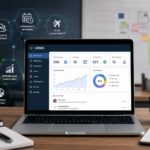
Instead of relying on scattered emails and spreadsheets, businesses can manage all support activities from one dashboard.
How Does a Ticketing System Work?
The ticket lifecycle typically follows these steps:
1. Ticket Creation
Requests can be submitted through:
- Web forms
- Customer portals
- Mobile applications
- Internal systems
Each request automatically generates a ticket.
2. Ticket Assignment
The system routes tickets to the appropriate department or support agent.
3. Issue Resolution
Support teams investigate and resolve issues while maintaining communication with the requester.
4. Ticket Closure
Once resolved, the ticket is closed while maintaining a complete history for future reference.
Common Challenges Without a Ticketing System
Many businesses still manage support requests manually.
This often leads to:
Lost Requests
Important emails get buried in inboxes and follow-ups are missed.
Delayed Responses
Without prioritization, urgent issues remain unresolved.
Lack of Accountability
It’s difficult to know who is responsible for resolving specific requests.
Poor Customer Experience
Customers become frustrated when they receive inconsistent updates or delayed support.
No Performance Visibility
Managers struggle to measure team productivity and support quality.
Why Growing Businesses Need a Ticketing System
1. Centralized Support Management
A Ticketing System consolidates all support requests into one platform.
Instead of searching through multiple communication channels, teams can access every ticket from a single dashboard.
Benefits include:
- Better organization
- Faster responses
- Reduced confusion
- Improved visibility
2. Faster Response Times
Customers expect quick resolutions.
A ticket management system helps support teams:
- Prioritize urgent issues
- Assign tickets automatically
- Reduce manual handling
- Improve turnaround times
Faster responses directly contribute to higher customer satisfaction.
3. Improved Team Productivity
Support agents spend less time managing requests and more time solving problems.
Automation features help:
- Assign tickets automatically
- Send notifications
- Escalate unresolved issues
- Update ticket statuses
This allows teams to work more efficiently and handle larger volumes of requests.
4. Better Customer Experience
Customers want transparency.
A modern service desk system allows users to:
- Track ticket status
- Receive updates
- View communication history
- Access self-service resources
This improves trust and overall customer satisfaction.
5. SLA Management
Service Level Agreements (SLAs) help businesses define response and resolution targets.
Ticketing systems monitor:
- First response time
- Resolution time
- Escalation thresholds
- SLA compliance
This ensures service quality remains consistent.
6. Data-Driven Decision Making
A Ticketing System provides valuable insights through reporting and analytics.
Businesses can track:
- Ticket volume
- Resolution rates
- Customer satisfaction
- Agent performance
- Recurring issues
These insights help identify opportunities for process improvement.
Industries That Benefit From Ticketing Systems
Information Technology
Manage IT incidents, technical support, and service requests efficiently.
Healthcare
Track patient service requests and operational support needs.
Education
Handle student support inquiries and administrative requests.
Manufacturing
Manage maintenance requests, equipment issues, and operational incidents.
Professional Services
Organize customer support and internal service requests.
Key Features To Look For In A Ticketing System
When selecting a solution, consider the following features:
Ticket Management
Centralized ticket creation and tracking.
Automated Workflows
Reduce manual effort and improve efficiency.
Priority Management
Ensure critical issues receive immediate attention.
Reporting & Analytics
Measure support performance through detailed reports.
Customer Portal
Allow users to submit and track requests independently.
Email Integration
Convert incoming emails into tickets automatically.
Knowledge Base
Provide self-service resources and FAQs.
Signs Your Business Needs a Ticketing System
You should consider implementing a Ticketing System if:
- Customer requests are managed through email only.
- Support requests frequently get lost.
- Response times are inconsistent.
- Managers lack visibility into support operations.
- Support teams struggle with growing ticket volumes.
- Customers frequently complain about delays.
If any of these challenges sound familiar, a ticketing solution can significantly improve your operations.
Benefits of Implementing a Service Desk Ticketing System
Increased Efficiency
Automates repetitive support processes.
Better Communication
Keeps customers and employees informed throughout the resolution process.
Improved Accountability
Every ticket has a clear owner and resolution timeline.
Enhanced Customer Satisfaction
Faster and more transparent support improves customer experiences.
Scalable Operations
Support growing request volumes without increasing administrative complexity.
Conclusion
A Ticketing System is no longer a luxury reserved for large enterprises. As businesses grow, the ability to manage support requests efficiently becomes critical for maintaining service quality and customer satisfaction.
By centralizing requests, automating workflows, improving accountability, and providing valuable insights, a Service Desk Ticketing System helps organizations deliver better support while operating more efficiently.
Businesses that invest in structured support management today are better positioned to scale, retain customers, and build stronger service operations in the future.
Frequently Asked Questions
What is a Ticketing System?
A Ticketing System is software used to manage support requests, incidents, complaints, and service inquiries through a centralized platform.
Who can use a Ticketing System?
Businesses of all sizes can use ticketing software for customer support, IT help desk operations, facility management, HR requests, and internal service management.
What are the benefits of a Ticketing System?
Key benefits include faster response times, improved customer satisfaction, better accountability, automated workflows, and detailed reporting.
Is a Ticketing System suitable for small businesses?
Yes. Modern ticketing systems are designed for startups, SMEs, and enterprises, making support management easier and more organized regardless of company size.